Trezor Bridge: Connect Your Trezor Wallet to Your Browser
In the world of cryptocurrency, security is paramount. Hardware wallets like Trezor provide a secure way to store your digital assets offline, keeping them safe from online threats such as hacking and phishing. However, even a secure wallet needs a reliable method to communicate with your browser to access cryptocurrency platforms and manage your funds. This is where Trezor Bridge comes into play. In this blog, we’ll explore what Trezor Bridge is, why it’s essential, and how to connect your Trezor wallet to your browser seamlessly.
What is Trezor Bridge?
Trezor Bridge is a communication layer developed by SatoshiLabs, the creators of Trezor hardware wallets. It acts as a bridge between your Trezor device and your web browser, allowing you to manage your cryptocurrency accounts securely and efficiently. Unlike browser extensions, Trezor Bridge is installed directly on your computer and facilitates secure communication between your device and supported web applications such as Trezor Suite and Exodus Wallet.
The main advantage of Trezor Bridge is its compatibility. It works with most modern browsers, including Chrome, Firefox, Edge, and Brave, ensuring that users can manage their digital assets without compromising on security. With Trezor Bridge, you don’t need to worry about exposing your private keys or recovery seeds to the internet; all sensitive information stays safely on your hardware wallet.
Why You Need Trezor Bridge
Using Trezor Bridge is essential if you want to use your Trezor wallet with web applications. While Trezor devices are inherently secure, the bridge allows your browser to communicate with your device for operations like signing transactions, checking balances, or managing accounts. Without it, your browser cannot detect or interact with your Trezor device properly, limiting its functionality.
Additionally, Trezor Bridge ensures that all data transferred between your device and browser is encrypted. This added layer of security protects your cryptocurrency assets from potential cyber threats and unauthorized access. Regular updates from SatoshiLabs also keep the bridge compatible with new browser versions and web standards, giving you a smooth, uninterrupted experience.
How to Install Trezor Bridge
Installing Trezor Bridge is straightforward. Here’s a step-by-step guide:
- Visit the Official Trezor Website – Go to https://trezor.io/start to download the latest version of Trezor Bridge. Make sure you only download from the official site to avoid malicious software.
- Download Trezor Bridge – The website automatically detects your operating system (Windows, macOS, Linux) and provides the appropriate download link.
- Install the Software – Once downloaded, run the installer and follow the on-screen instructions. The installation process is quick and usually takes only a few minutes.
- Restart Your Browser – After installation, restart your browser to ensure it detects the Trezor Bridge.
- Connect Your Trezor Device – Plug your Trezor wallet into your computer using a USB cable. Your browser should now be able to communicate with your device.
Using Trezor Bridge with Trezor Suite
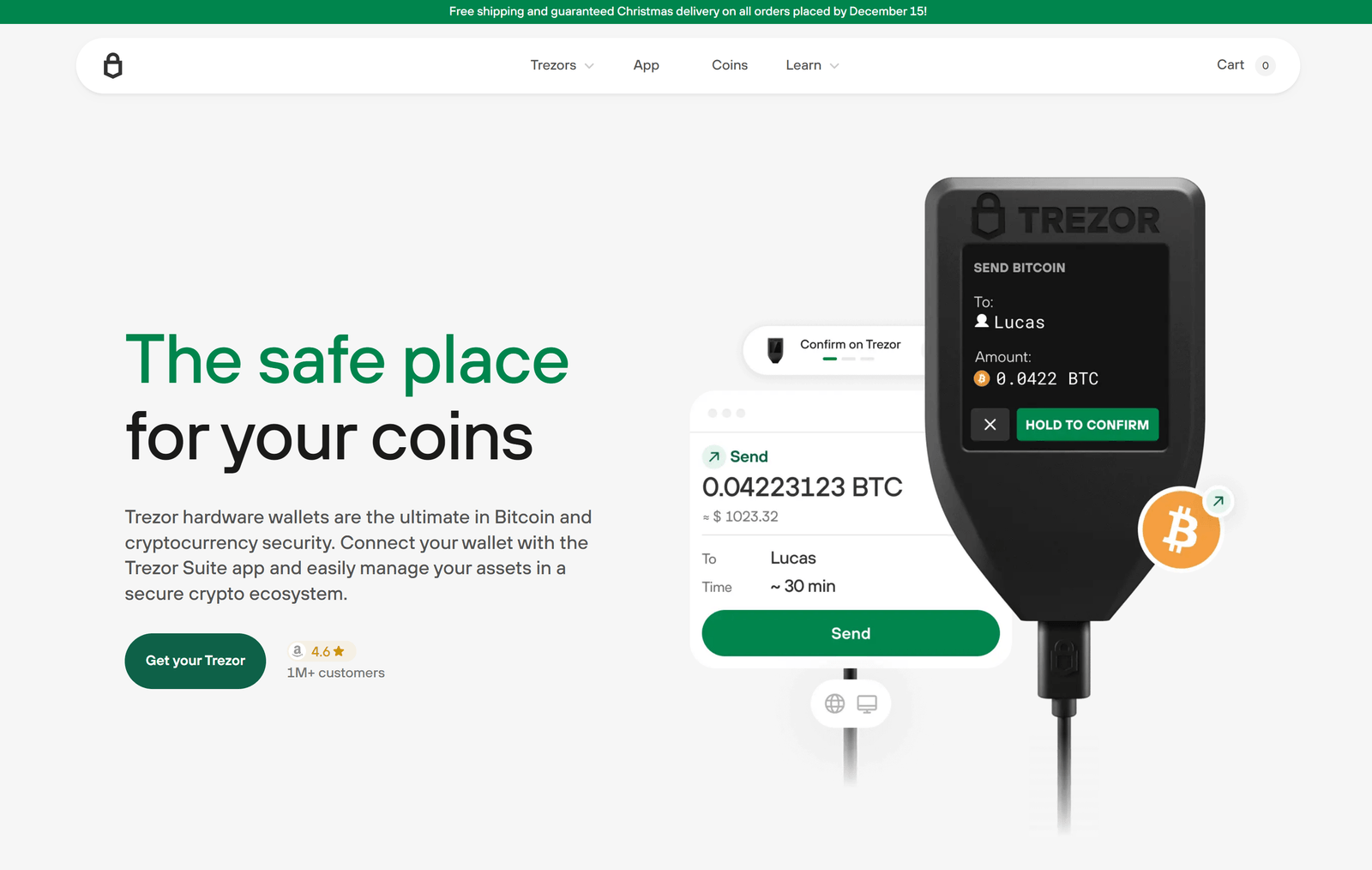
Once installed, Trezor Bridge works seamlessly with Trezor Suite, the official management platform for Trezor devices. Trezor Suite allows users to view balances, send and receive cryptocurrencies, and manage multiple accounts securely. When you perform a transaction, Trezor Suite communicates with your hardware wallet through Trezor Bridge to sign transactions securely.
The beauty of Trezor Bridge is that it keeps private keys isolated from your computer and browser. Even if your computer is compromised, your private keys remain safely stored on the hardware wallet, ensuring your assets are protected.
Troubleshooting Common Issues
While Trezor Bridge is generally reliable, users may occasionally encounter connection issues. Here are some common troubleshooting tips:
- Browser Not Detecting Trezor: Ensure your browser is updated to the latest version and that Trezor Bridge is properly installed. Restarting the browser usually resolves detection issues.
- Device Not Recognized: Try reconnecting your Trezor device or using a different USB port.
- Bridge Outdated: Always check for the latest Trezor Bridge version on the official website to maintain compatibility.
Conclusion
Trezor Bridge is an essential tool for anyone using a Trezor hardware wallet. By acting as a secure communication channel between your device and your browser, it allows you to manage your cryptocurrency assets safely and efficiently. With easy installation, broad browser compatibility, and robust security, Trezor Bridge ensures that your digital assets remain protected while providing a seamless user experience.
Whether you’re sending cryptocurrency, checking your balances, or managing accounts through Trezor Suite or other supported platforms, Trezor Bridge is the key to bridging the gap between security and convenience. Install it today, connect your Trezor wallet, and enjoy the full potential of your hardware wallet.